
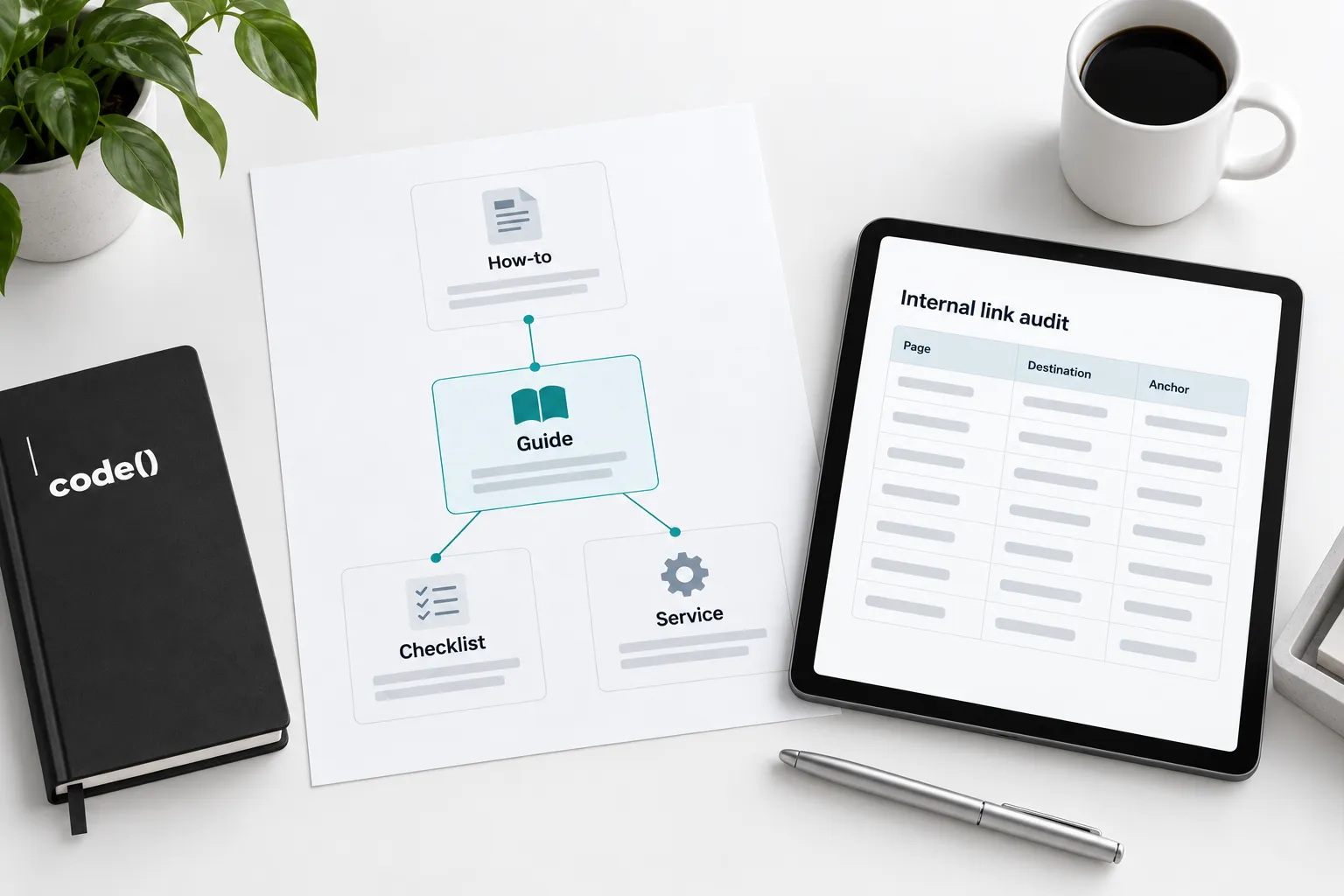
A useful page can exist without a useful route to it. Leaving discovery to a search box and optimism is not much of a handoff.
I start with important reader tasks, using the four-pillar framework.
1. Name the pages worth reaching
List important services, categories and core guides. Write each page's purpose and the reader task it supports.
Do not prescribe an arbitrary link count. Decide which connections help someone use the content.
2. Walk the public routes
Browse from the homepage, relevant overview and article hub. Repeat with mobile navigation. Record unclear labels, dead ends and pages reachable only through search.
Google's ecommerce structure guidance explains navigational discovery and notes that Google generally does not submit site-search queries.
3. Inspect destinations and labels
Use an existing crawler or inspect rendered links. Record source, destination and visible text. Google's link guidance recommends real crawlable destinations and descriptive text.
Check missing pages, unnecessary redirects and label/destination disagreements. Resolve canonical questions before replacing URL versions everywhere.
4. Add the connection where it helps
Read the likely introducing page. Link at the point where the reader needs a deeper explanation, relevant service or product choice.
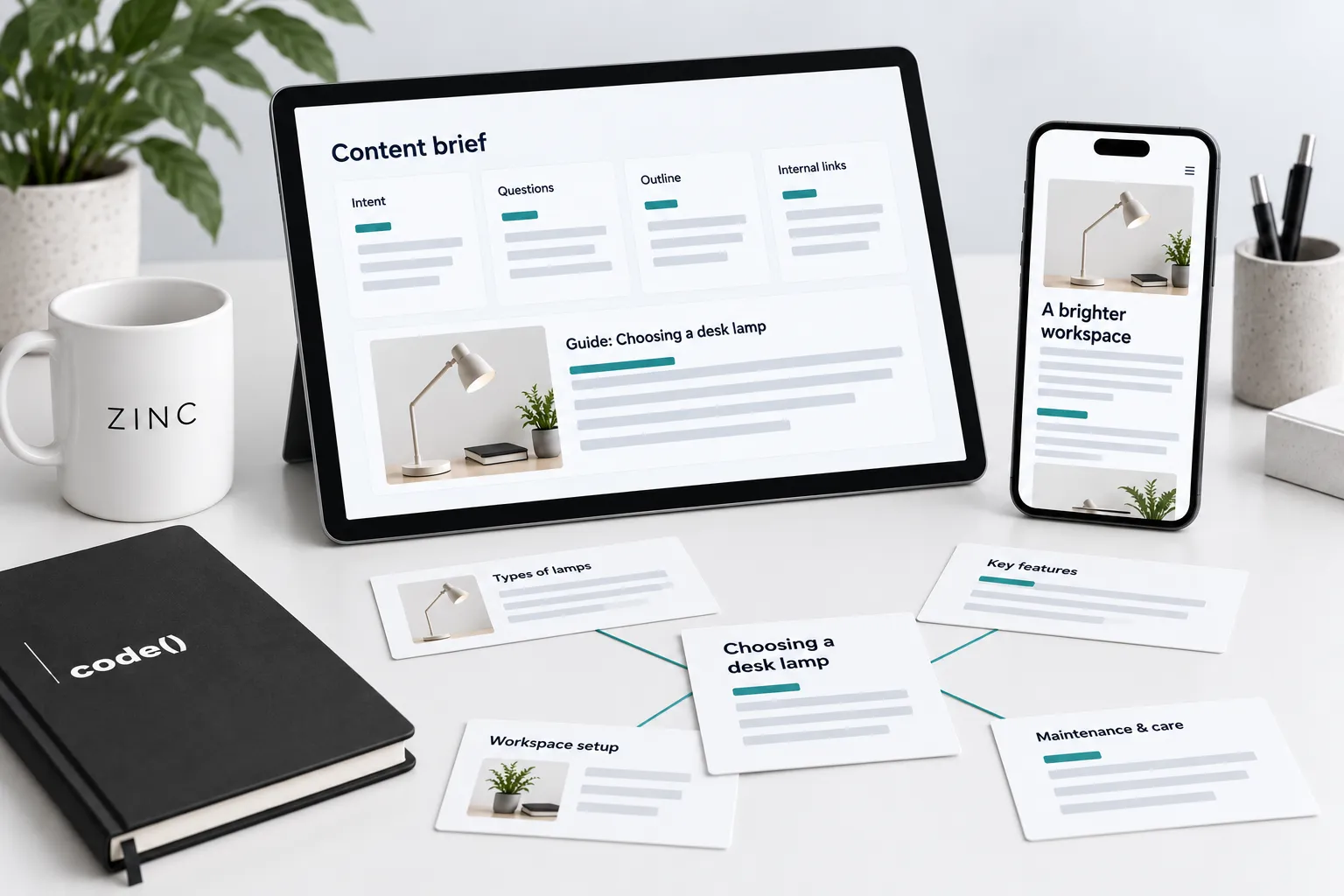
Connect core guides with useful supporting articles. Skip links that repeat the same answer. Our content brief guide helps plan these relationships before drafting.
5. Repair shared defects at the source
Fix a broken header link in the header. Fix outdated generated URLs in the template, rather than editing isolated output.
Web development owns navigation behavior; SEO work defines useful content relationships. Retest the original journeys after release.
Use this link repair record
- Important destination and reader task.
- Source page and existing link text.
- Observed problem or missing connection.
- Preferred destination and proposed wording.
- Template or editorial owner.
- Mobile and desktop retest result.
A newly added link should explain a relationship. Verify that the intended page became easier to reach before calling the audit complete.
Sources
- ecommerce structure guidancedevelopers.google.com
- link guidancedevelopers.google.com