

How to organise your website’s blog
Organise useful articles around your services, answer customer questions and connect related pages. Includes a workbook, diagrams and launch checklist.
Which pages can search engines find, and do they answer the customer’s question? Start with the SEO foundations, then investigate indexing, content and links with evidence.
Organise useful articles around your services, answer customer questions and connect related pages. Includes a workbook, diagrams and launch checklist.
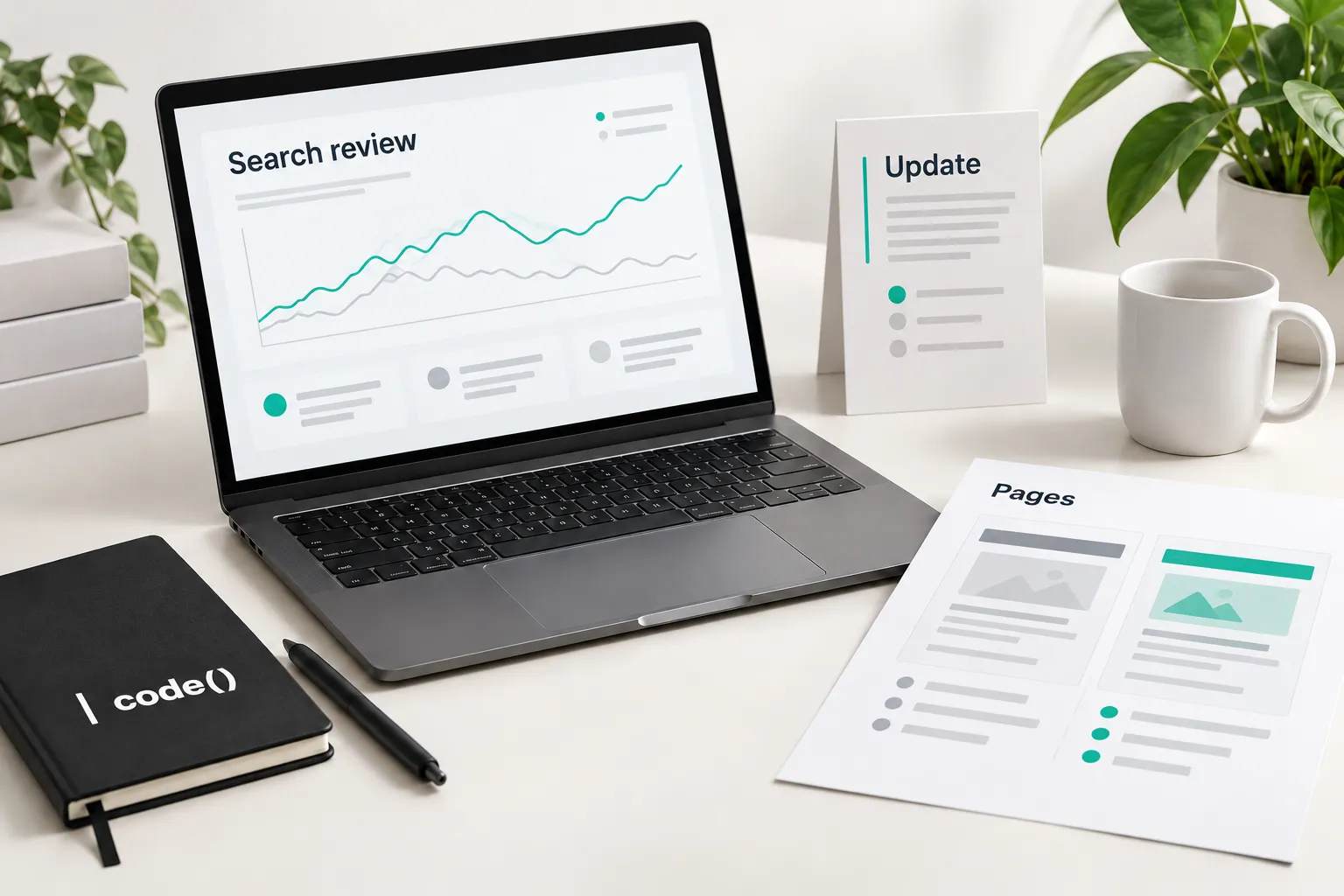
Review a Google core update with consistent Search Console comparisons. Separate ranking changes from tracking issues and leave a clear page action list.
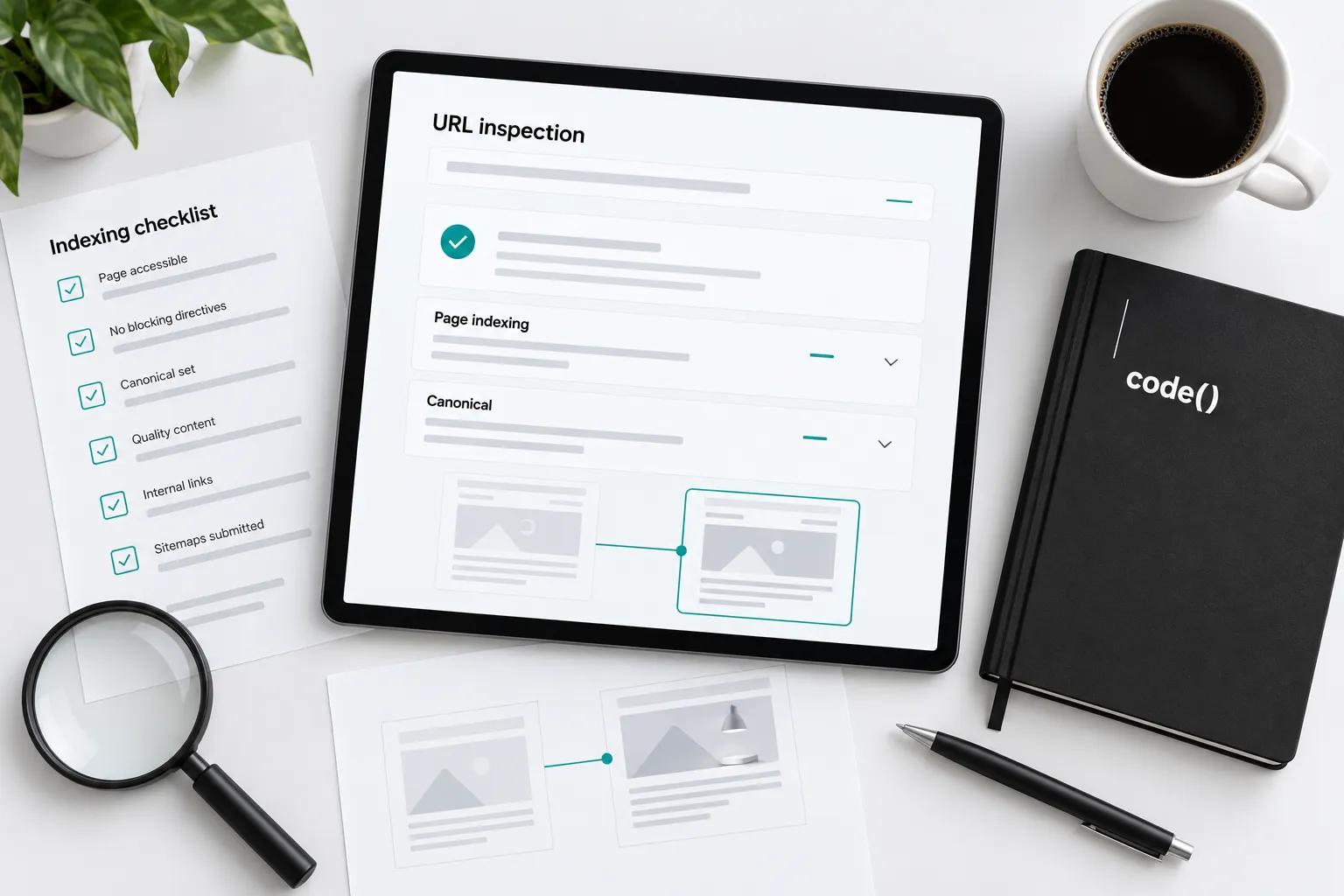
Debug canonical and indexing problems in Search Console. Compare indexed and live evidence, redirects, canonicals, internal links and sitemap URLs.
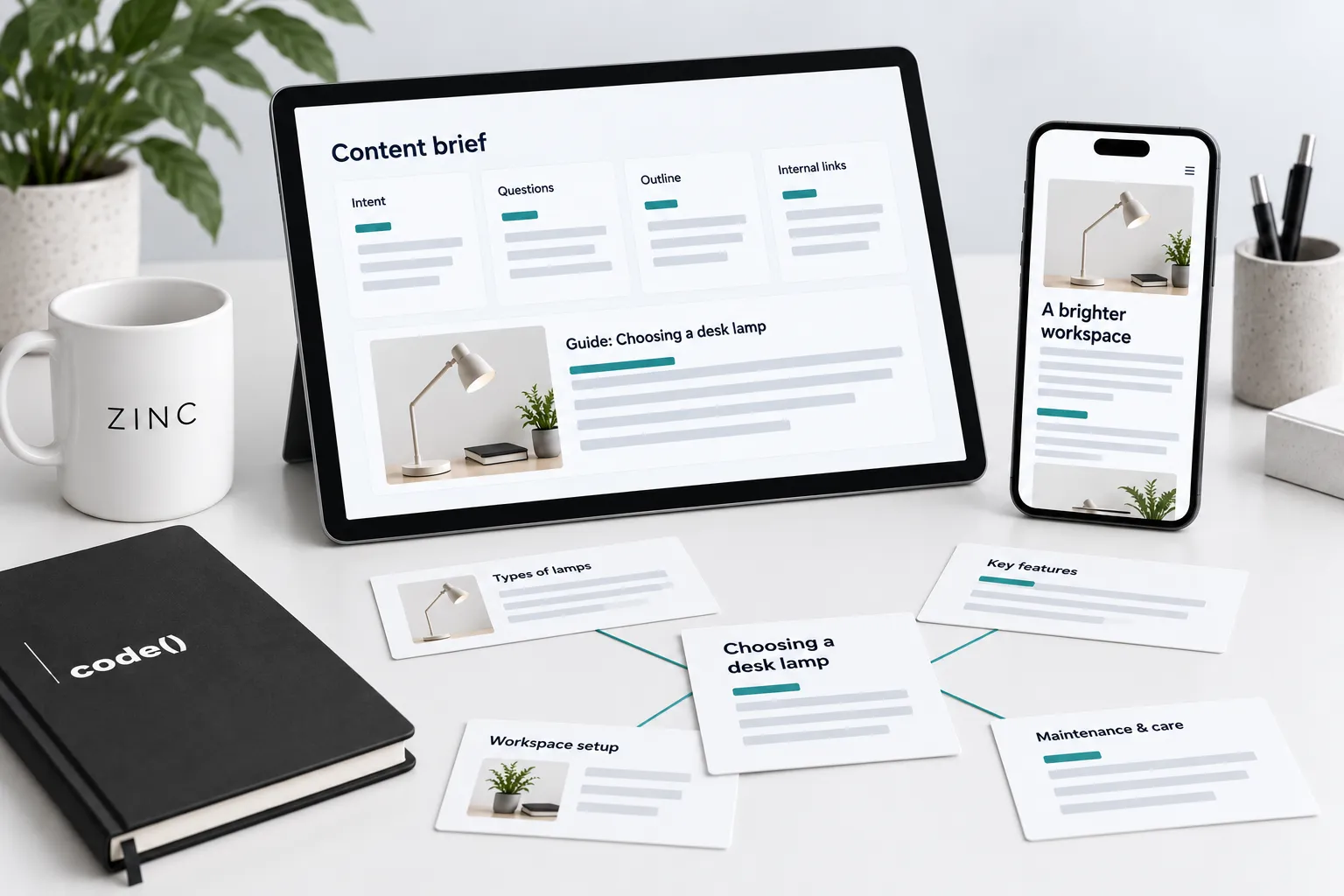
Build a useful content brief around a reader decision, verified evidence and contextual internal links. Include practical editorial and post-publication checks.
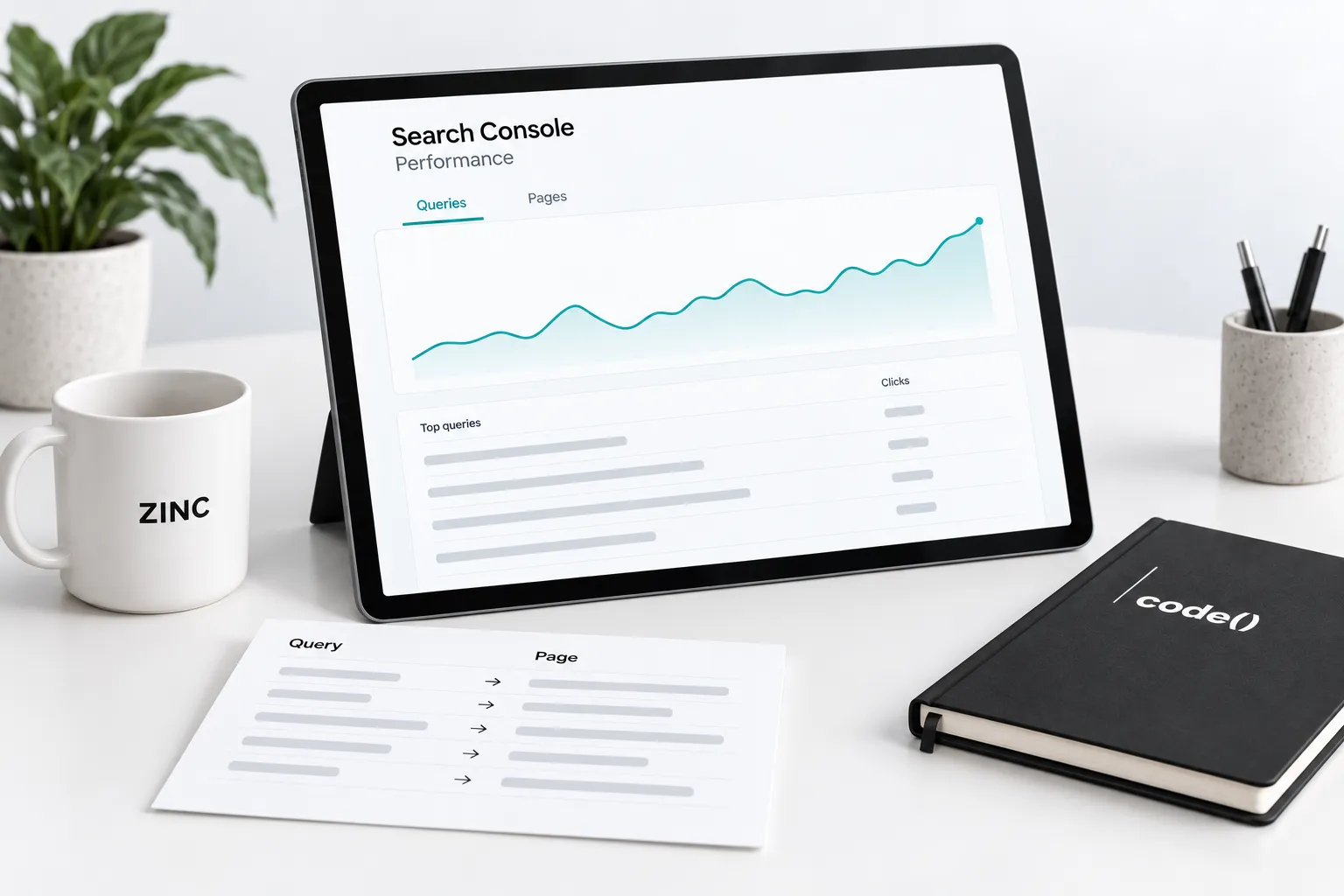
Review Search Console queries and pages with consistent filters. Turn clicks, impressions and observed search intent into a focused editorial action list.
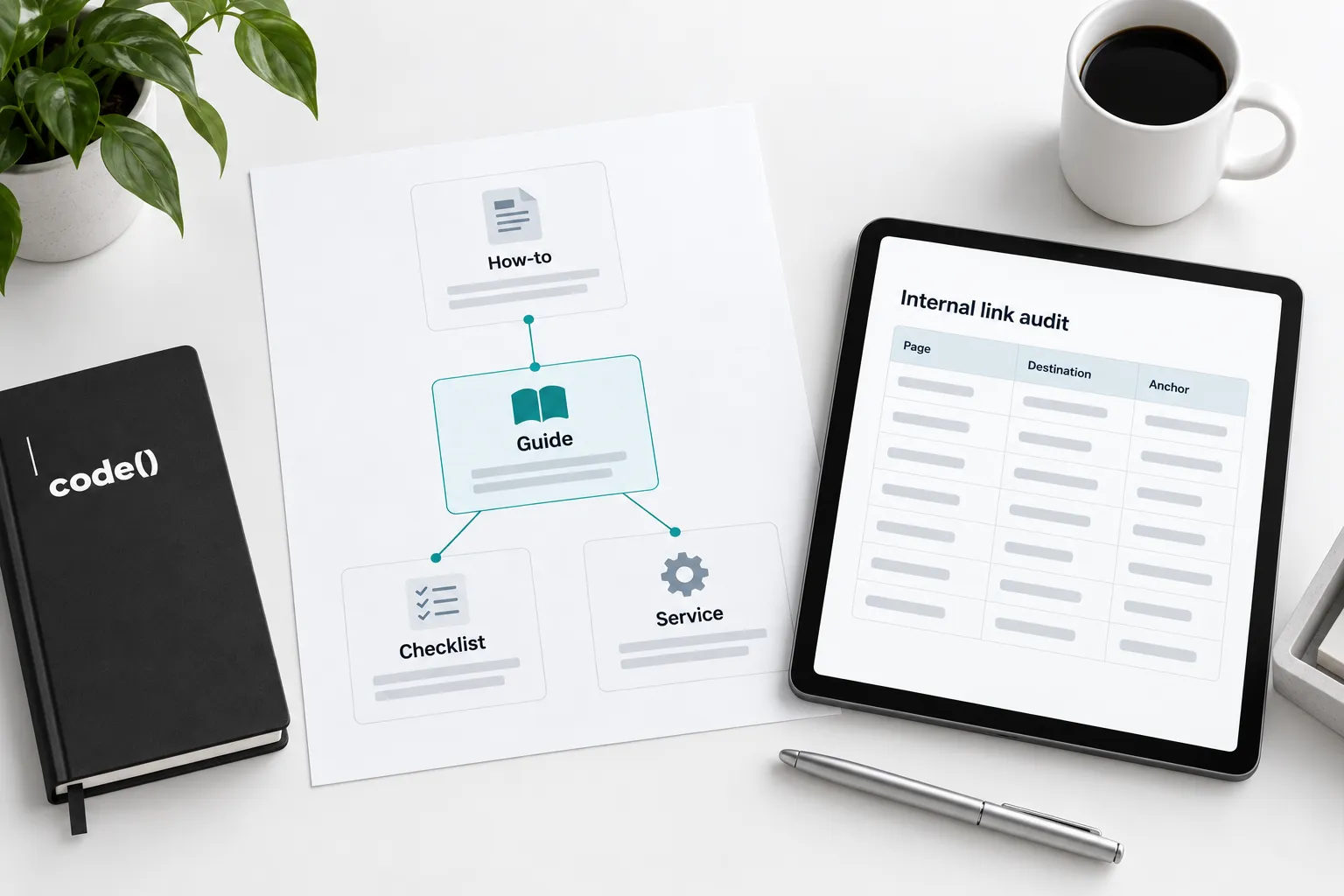
Audit internal links around important pages, crawlable destinations and reader tasks. Find broken paths and missing connections without adding link clutter.

Review existing articles for outdated claims, missing answers and broken links. Choose keep, revise or consolidate from evidence, with honest update dates.
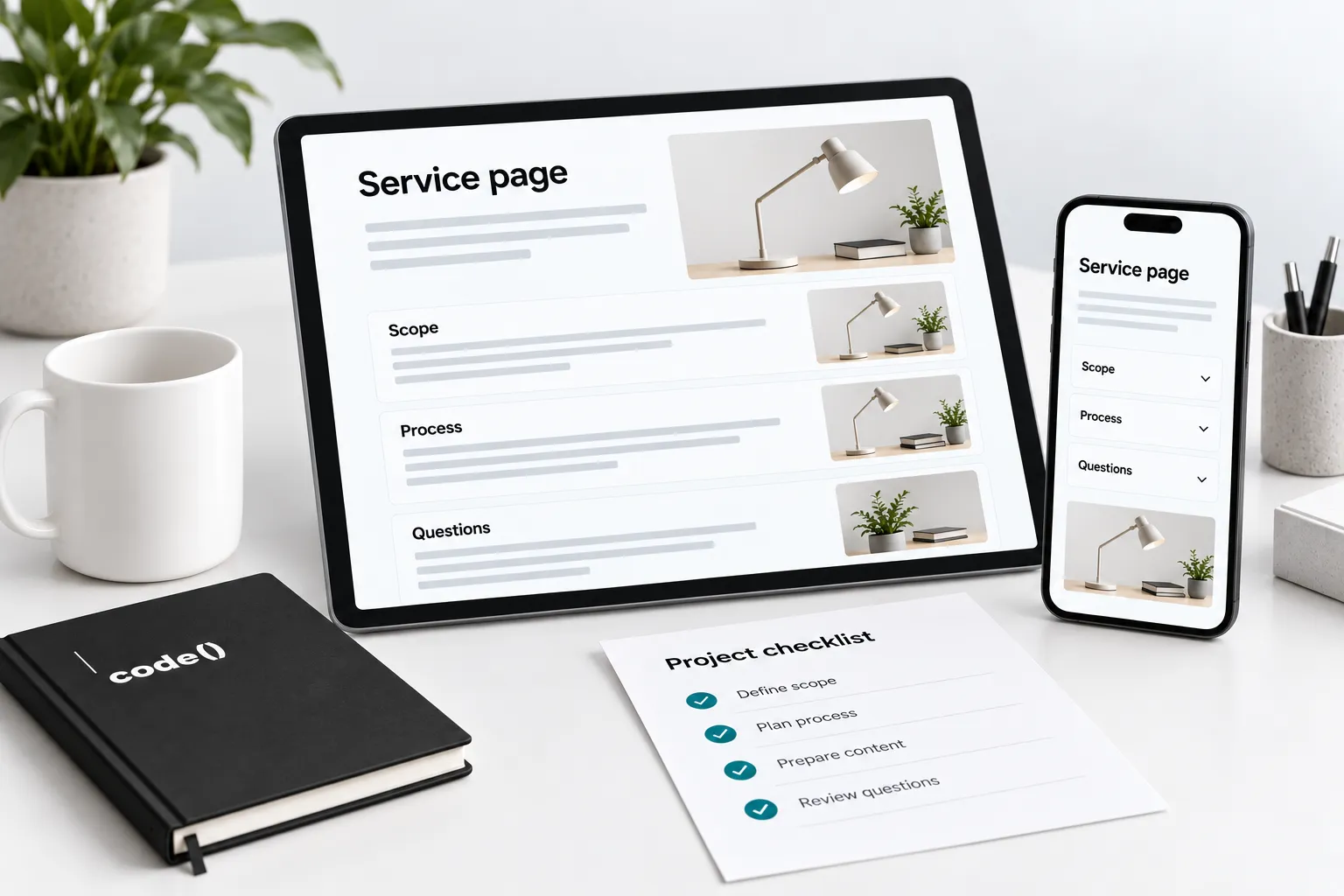
Review a service page for scope, process, evidence, practical questions and the inquiry path. Build a clear answer without unsupported promises or filler.
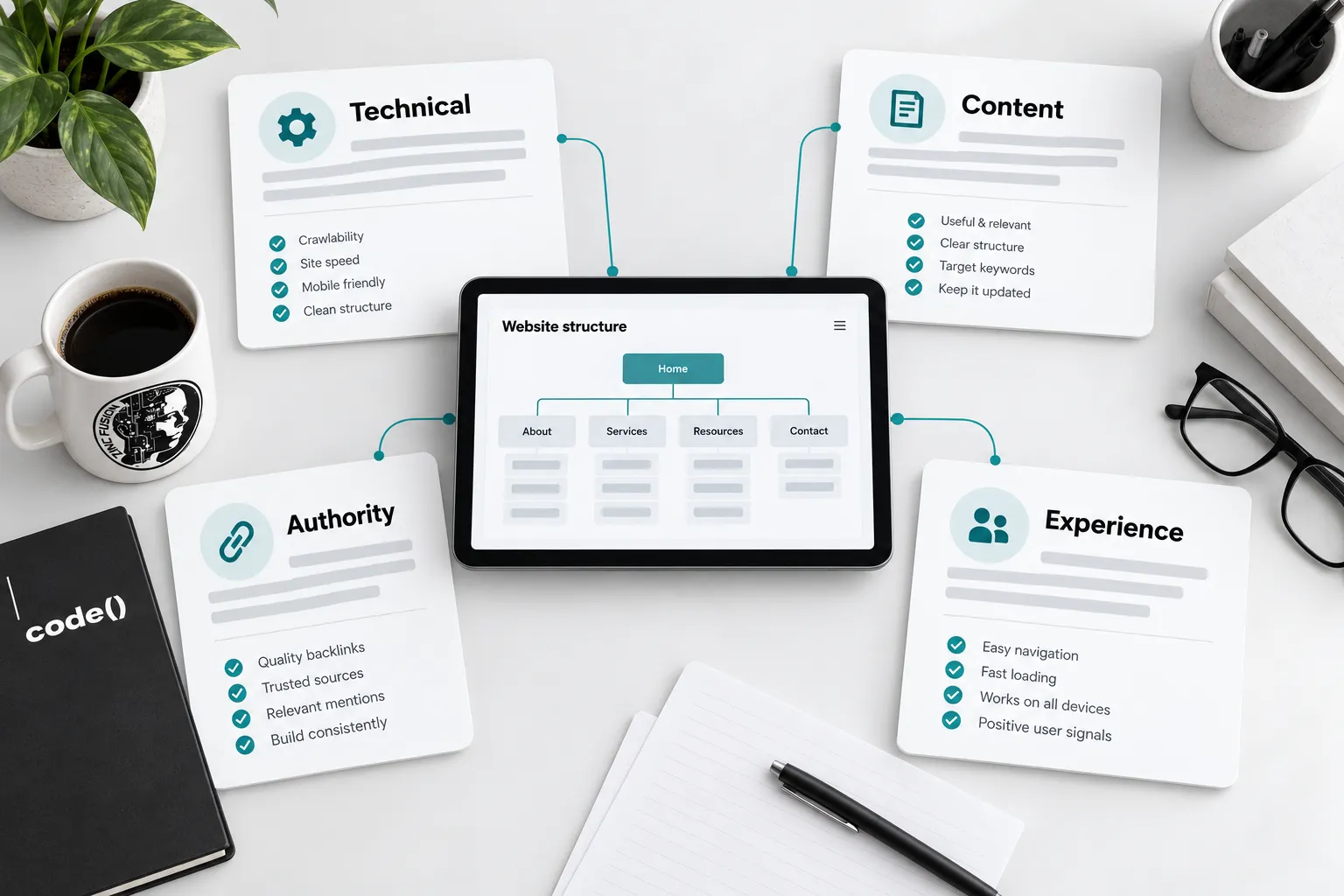
Connect technical SEO, content, authority, and user experience into a practical operating plan. Find the weakest pillar and decide which repair comes first.
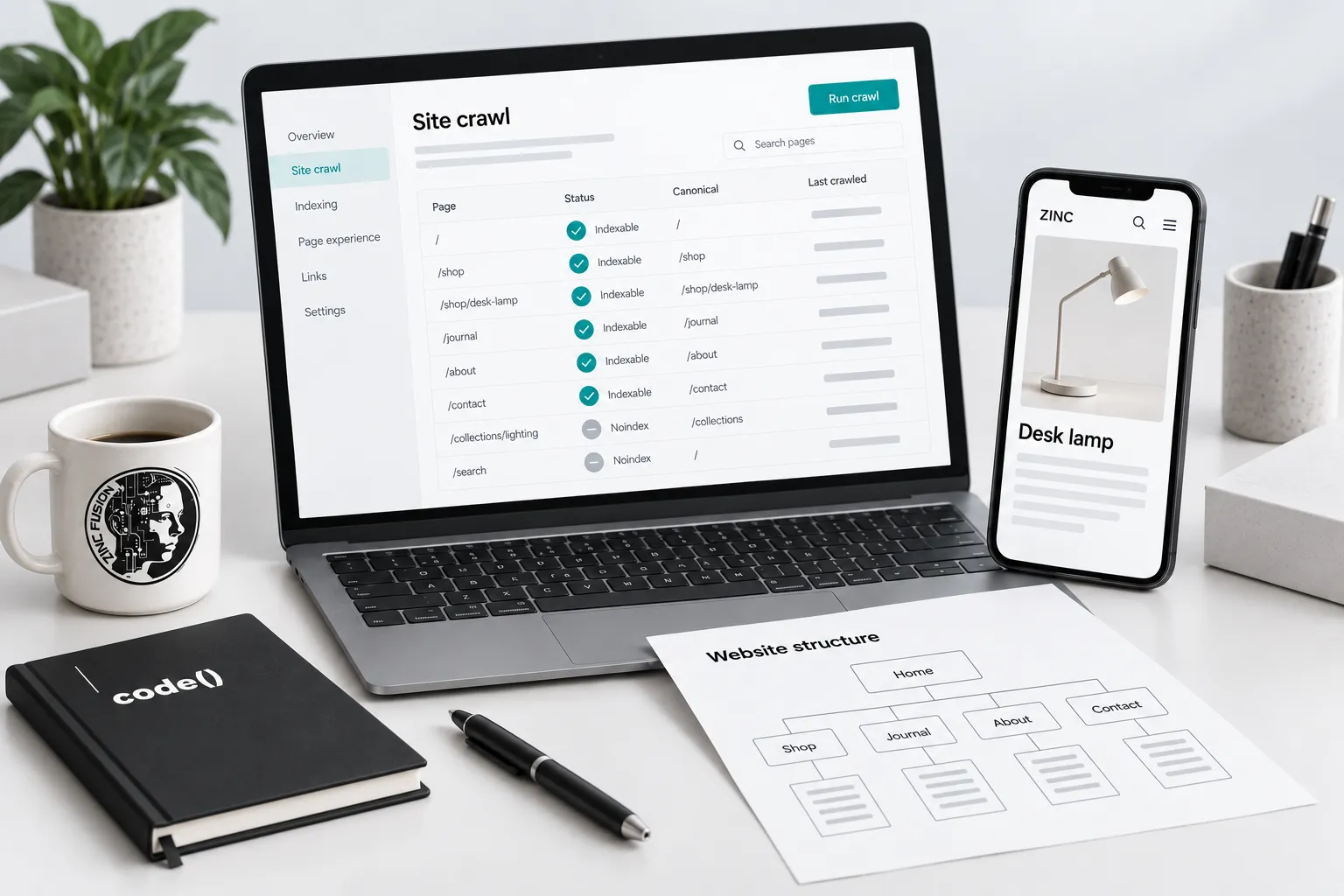
Prioritize technical SEO fixes across redirects, indexation, canonicals, speed, sitemaps, and internal links. Remove obstacles before expanding the work.
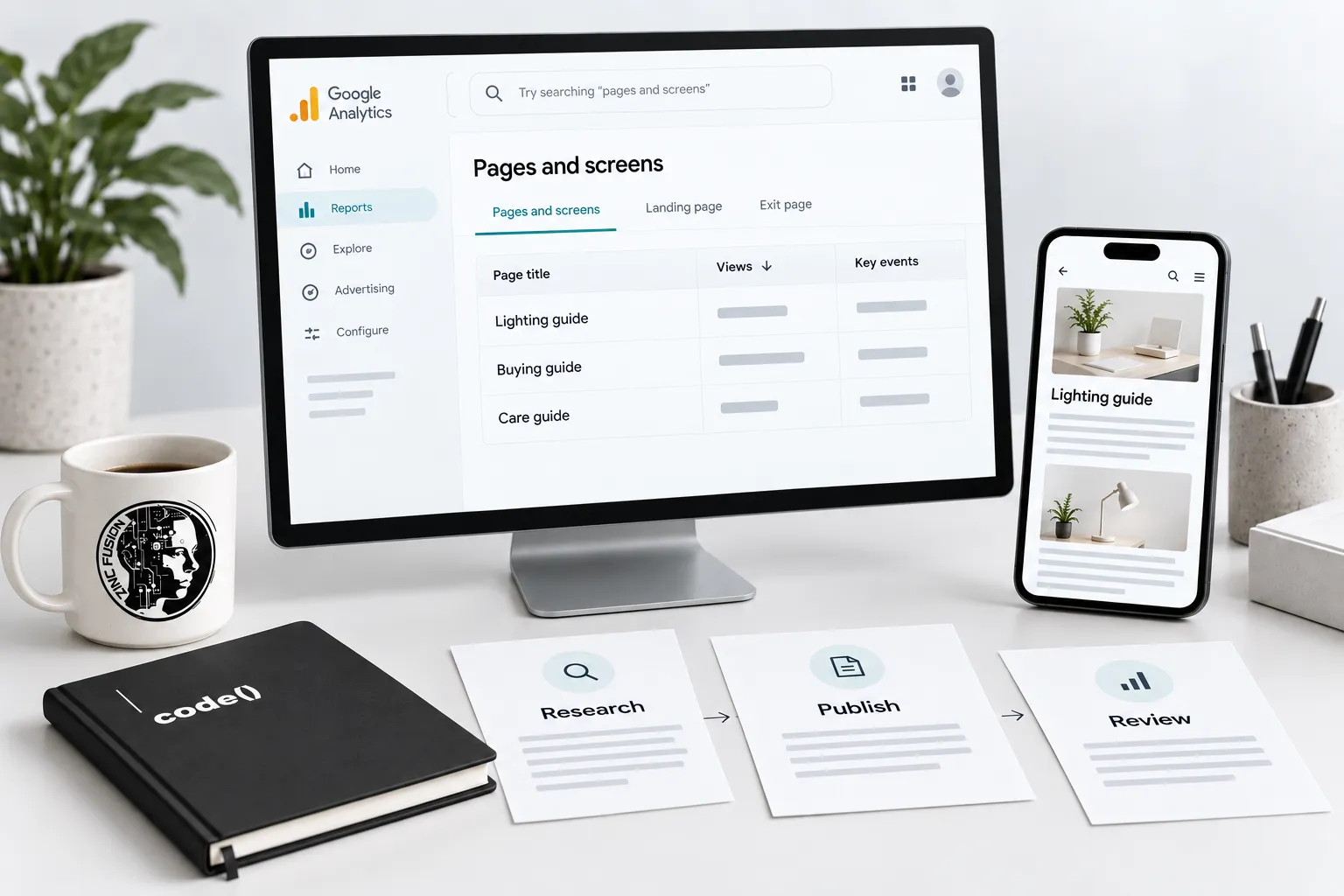
Build a content plan around buyer questions, service priorities, distribution, and measurement. Give each article a business job beyond its publish date.
Review selected documented Google Search updates from 2023 through 2026, and separate the historical record from claims about what caused a site's rankings.
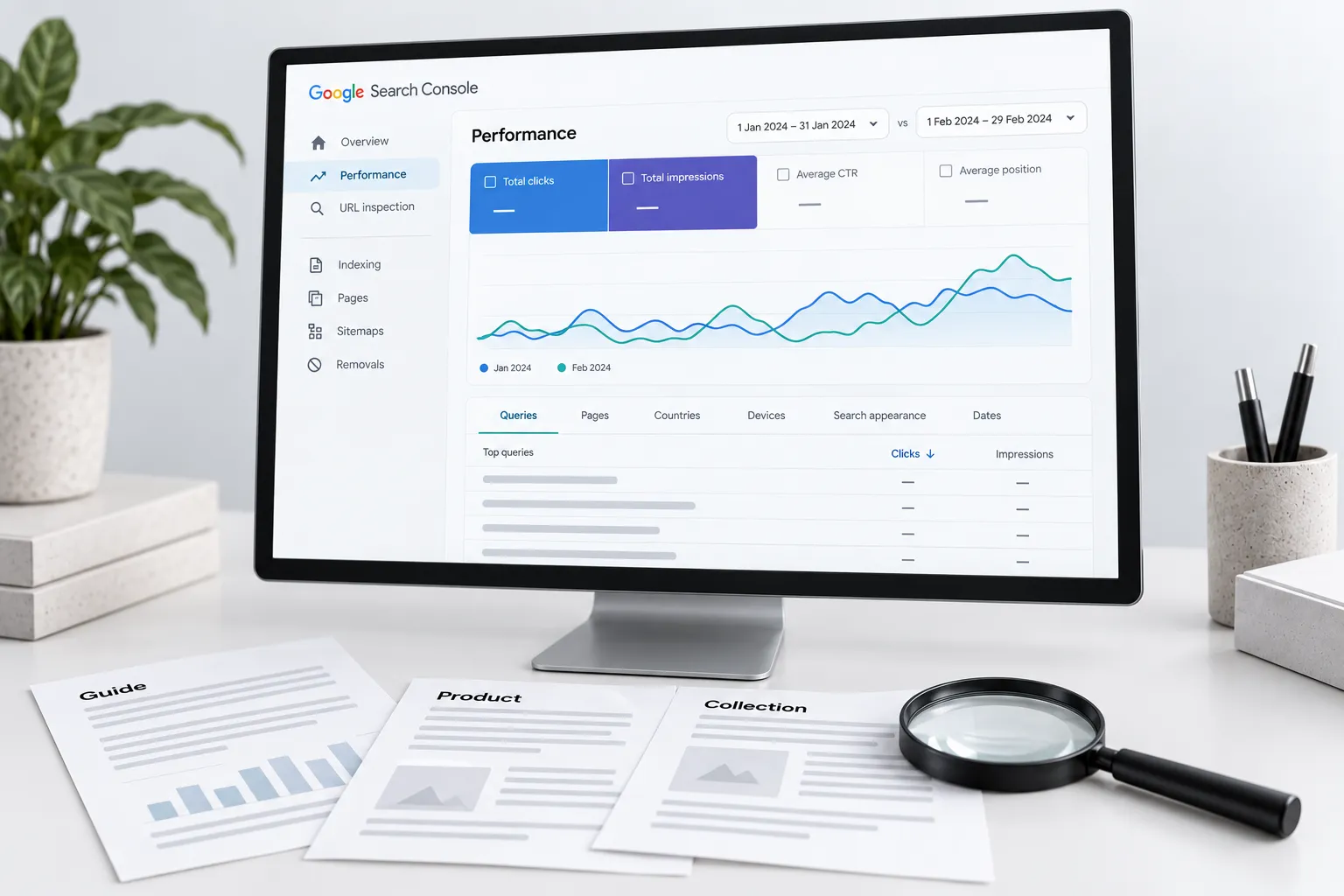
Respond to Google algorithm updates with a clean baseline, rollout context, and page-level evidence. Diagnose changes before rewriting or redirecting pages.
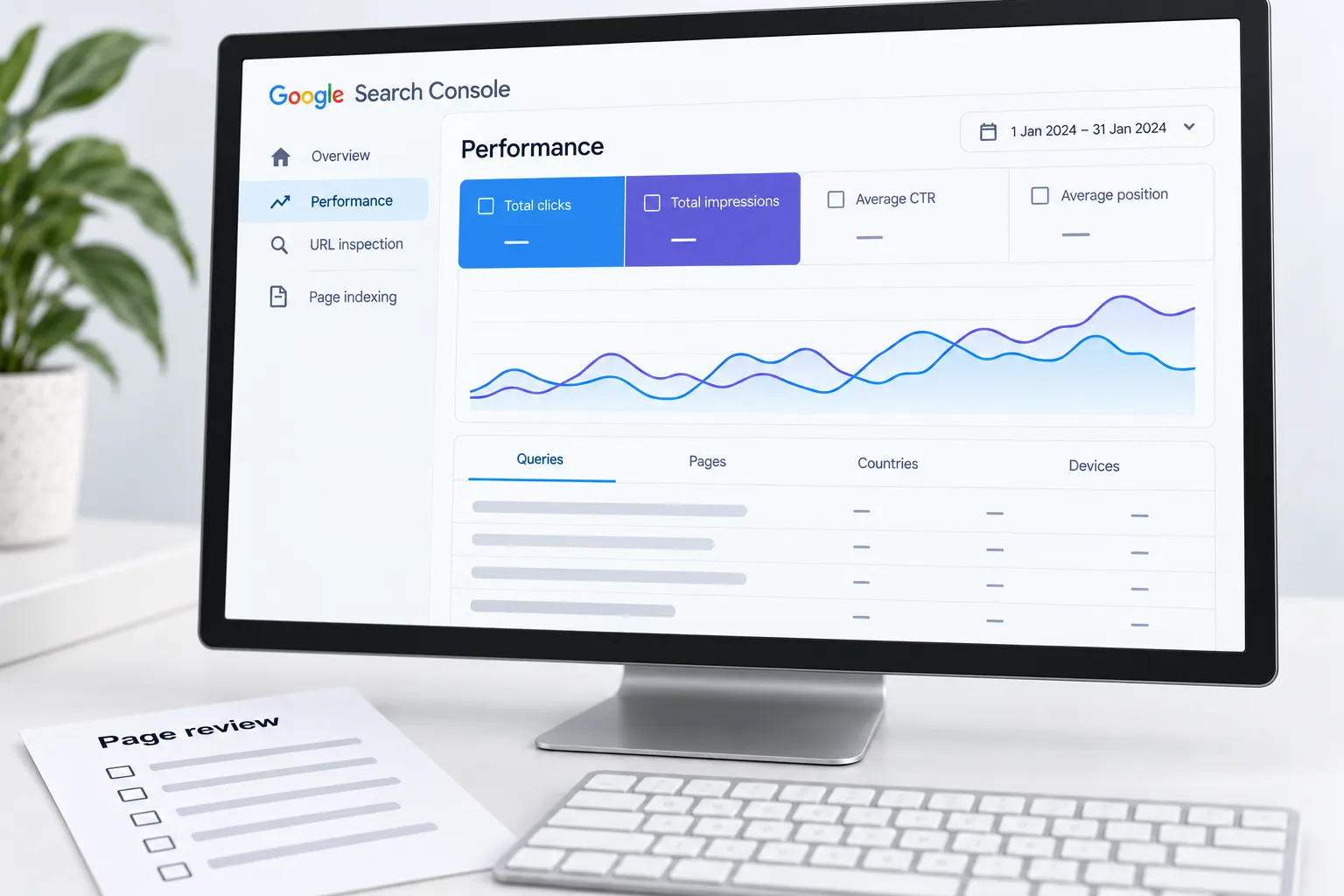
Use Google Search Console to connect queries, landing pages, indexation, and structured data to decisions. Turn search reporting into an actionable routine.
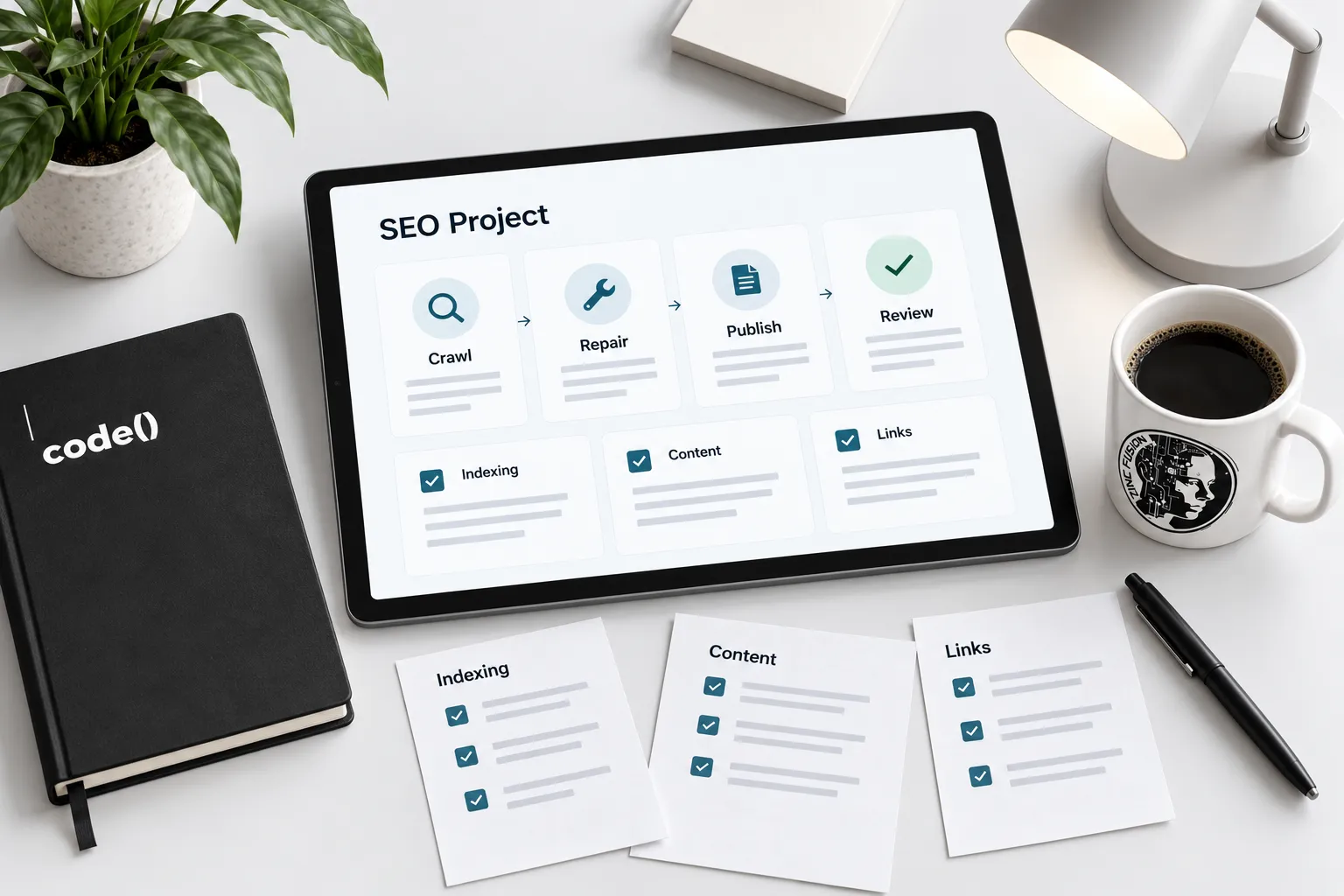
Understand the dependencies behind SEO timelines, from crawling and indexing to authority and measurement. Set expectations around evidence and the work ahead.
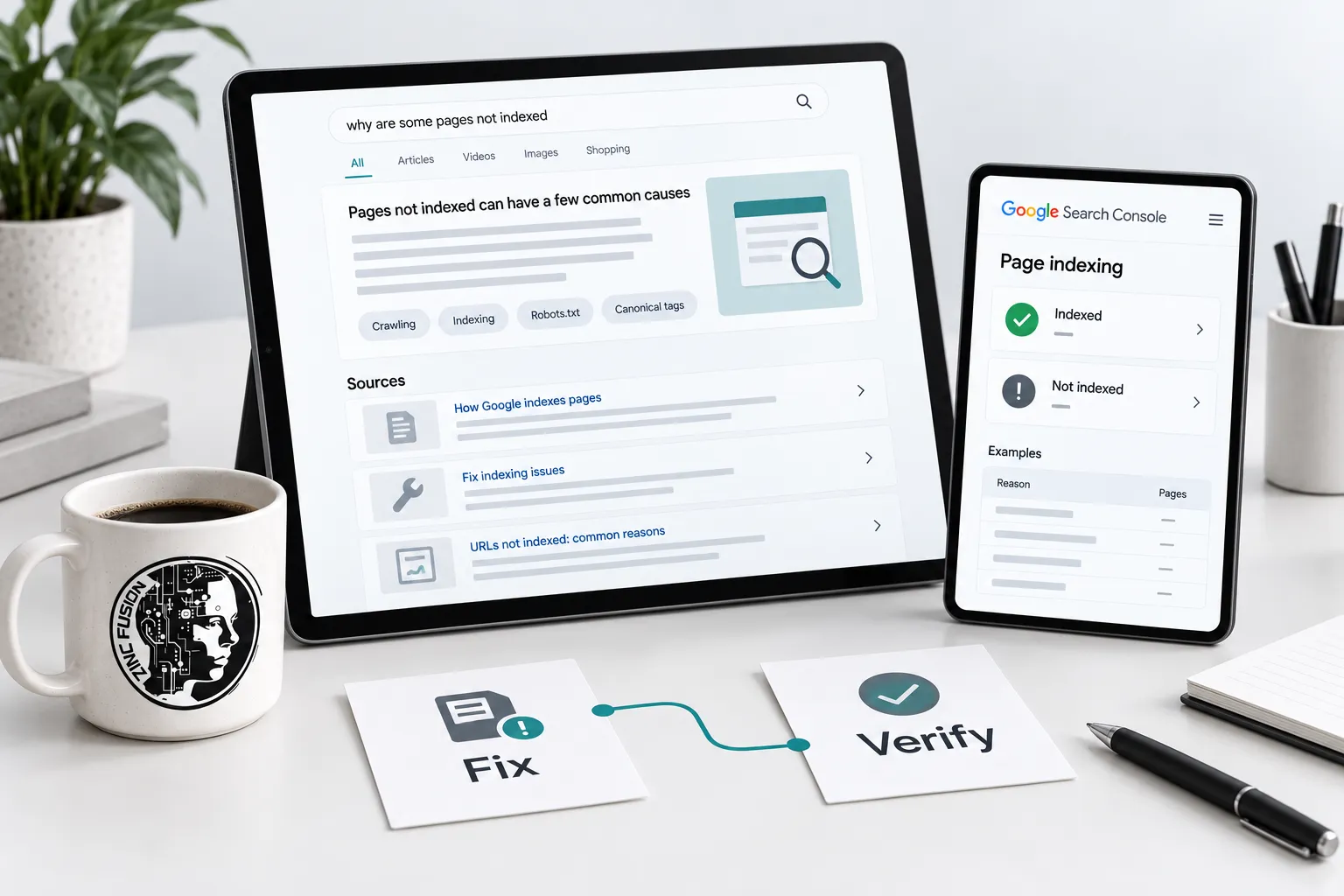
Separate practical SEO priorities from hype in 2026. Review AI search, core updates, technical drift, content quality, and measurement before changing course.

Choose the right response to duplicate URLs: canonicalize equivalent pages, redirect replacements and preserve distinct products. Includes practical checks.
Clear the filters to see the full archive.
Start with SEO, then choose any other subjects you want. Pick one subject or several, and change your interests at any time.