Build a Research Consensus Report You Can Use
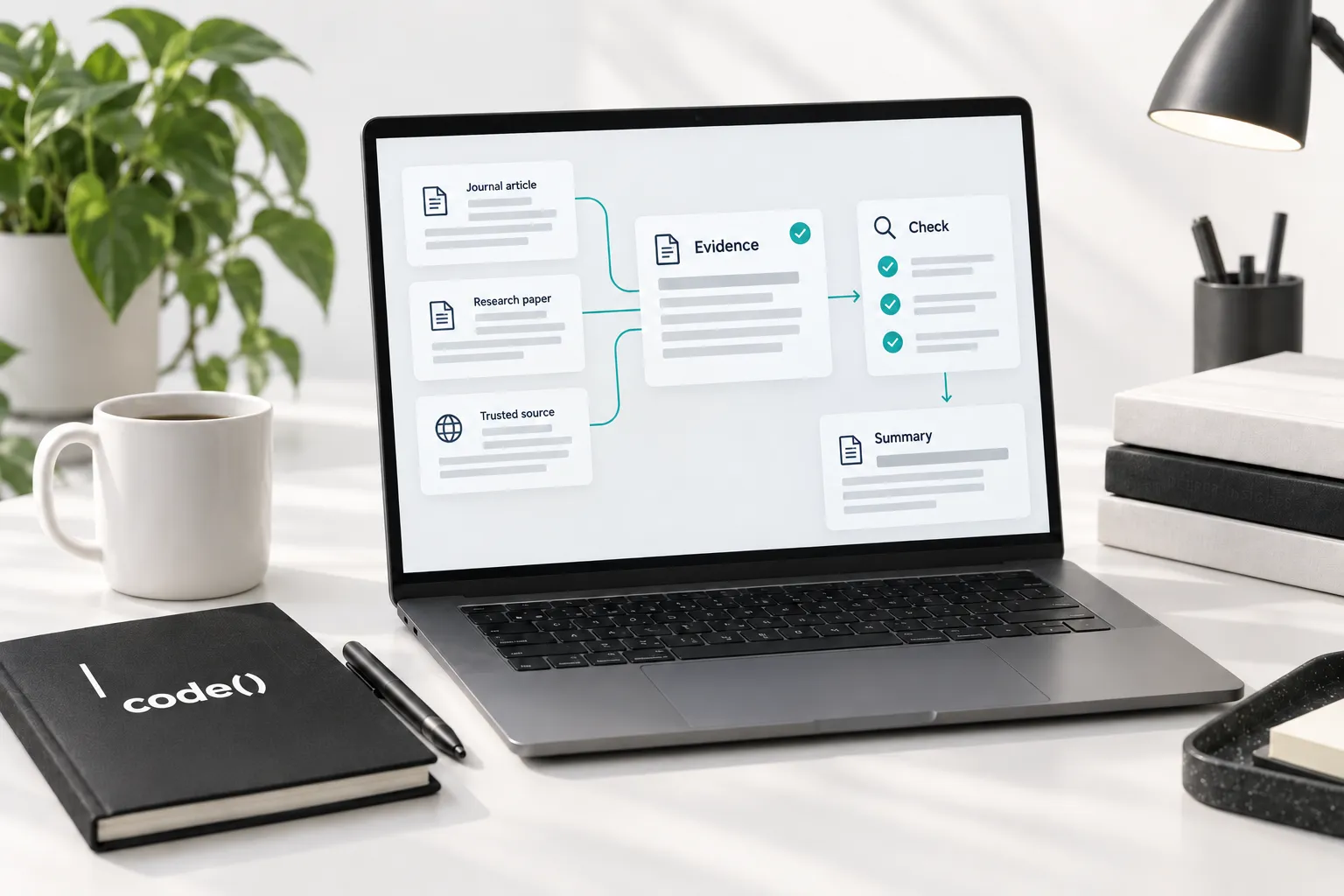
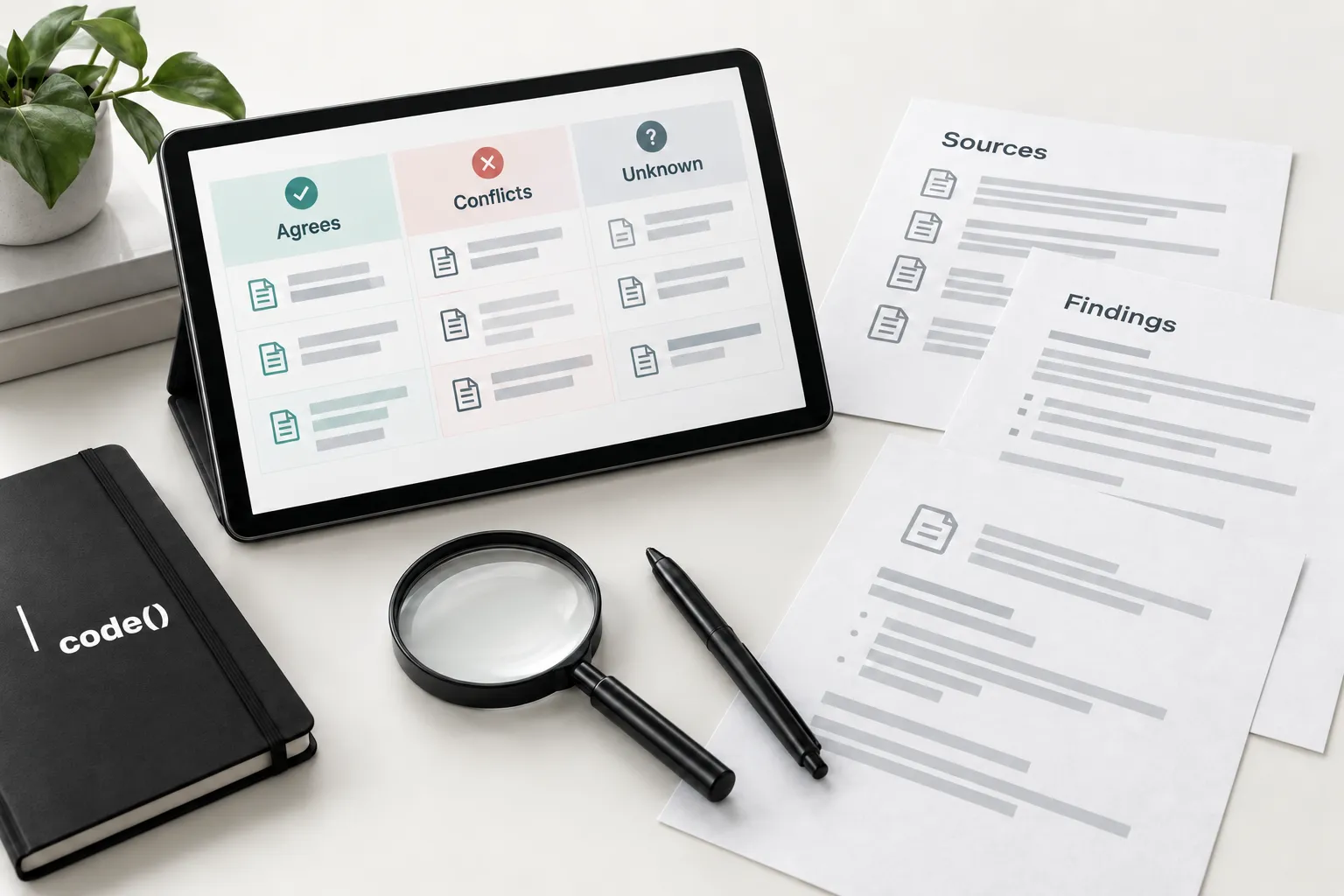
Turn research into a decision brief. Check source independence, separate agreement from contradiction and unknowns, and keep each claim tied to evidence.
Read the article ↗
Kirk Musick leads ZINC Digital. His articles cover technical SEO, measurement and the decisions behind the work.
Technical SEO · Analytics · Business intelligence
Turn research into a decision brief. Check source independence, separate agreement from contradiction and unknowns, and keep each claim tied to evidence.
Read the article ↗Use AI for research with a repeatable workflow: select tools by capability, collect primary evidence, verify citations and turn findings into a usable decision.
Read the article ↗Compare competitors with public evidence and copyable AI prompts. Build an offer matrix, challenge assumptions and keep private revenue and ad spend unknown.
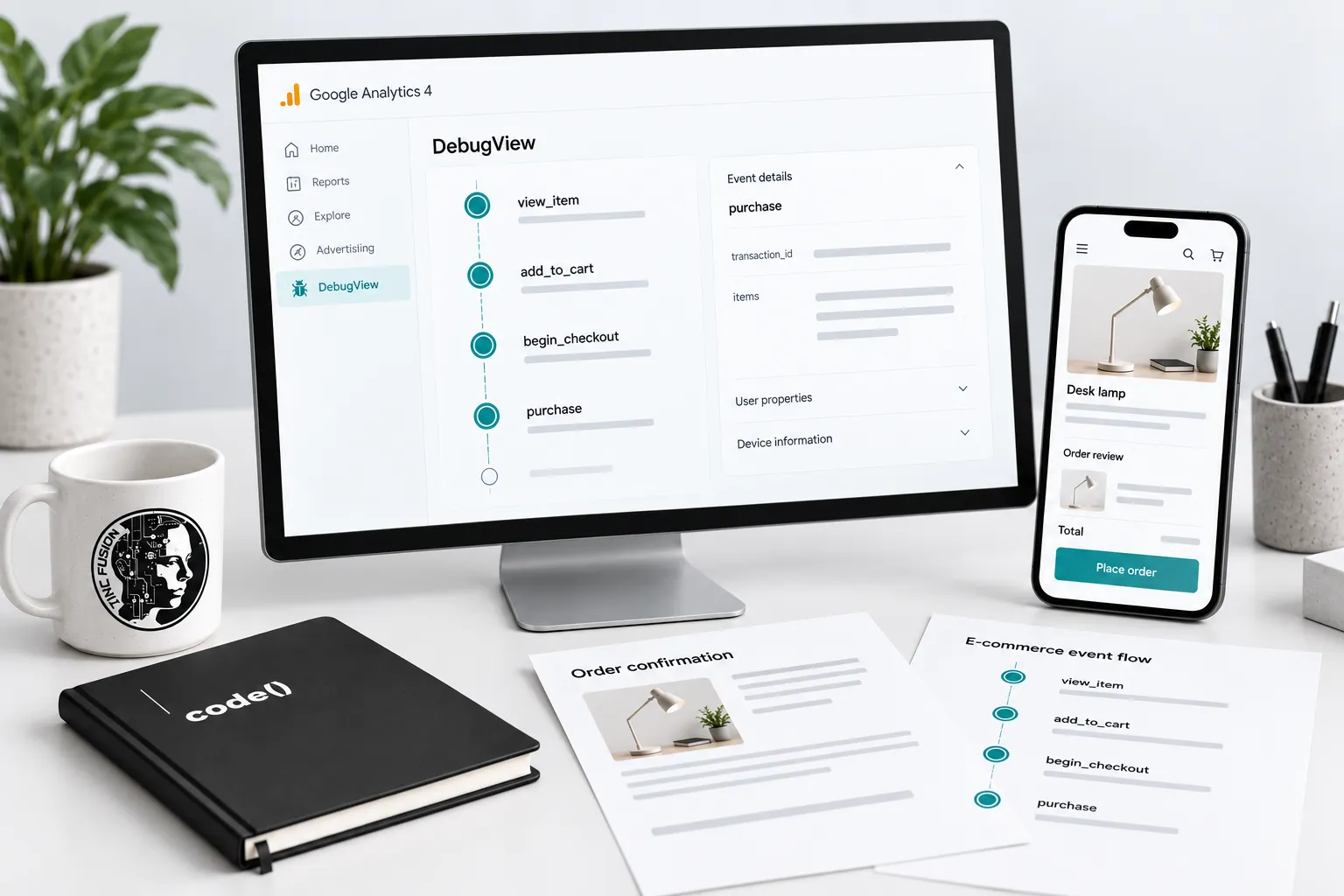
Read the article ↗Validate GA4 ecommerce events from product view to purchase. Check item data, transaction IDs, value, consent and reporting against a controlled order.
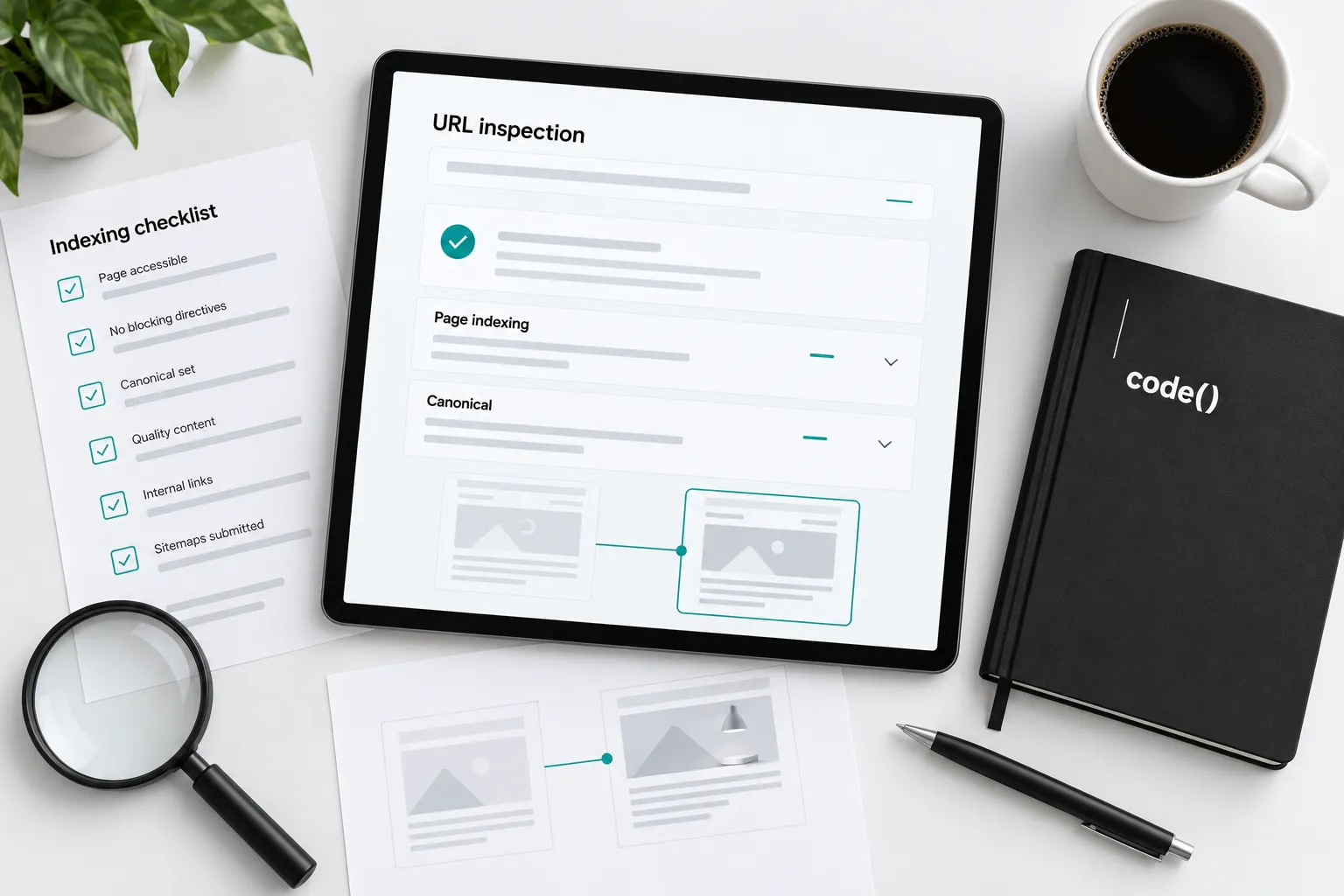
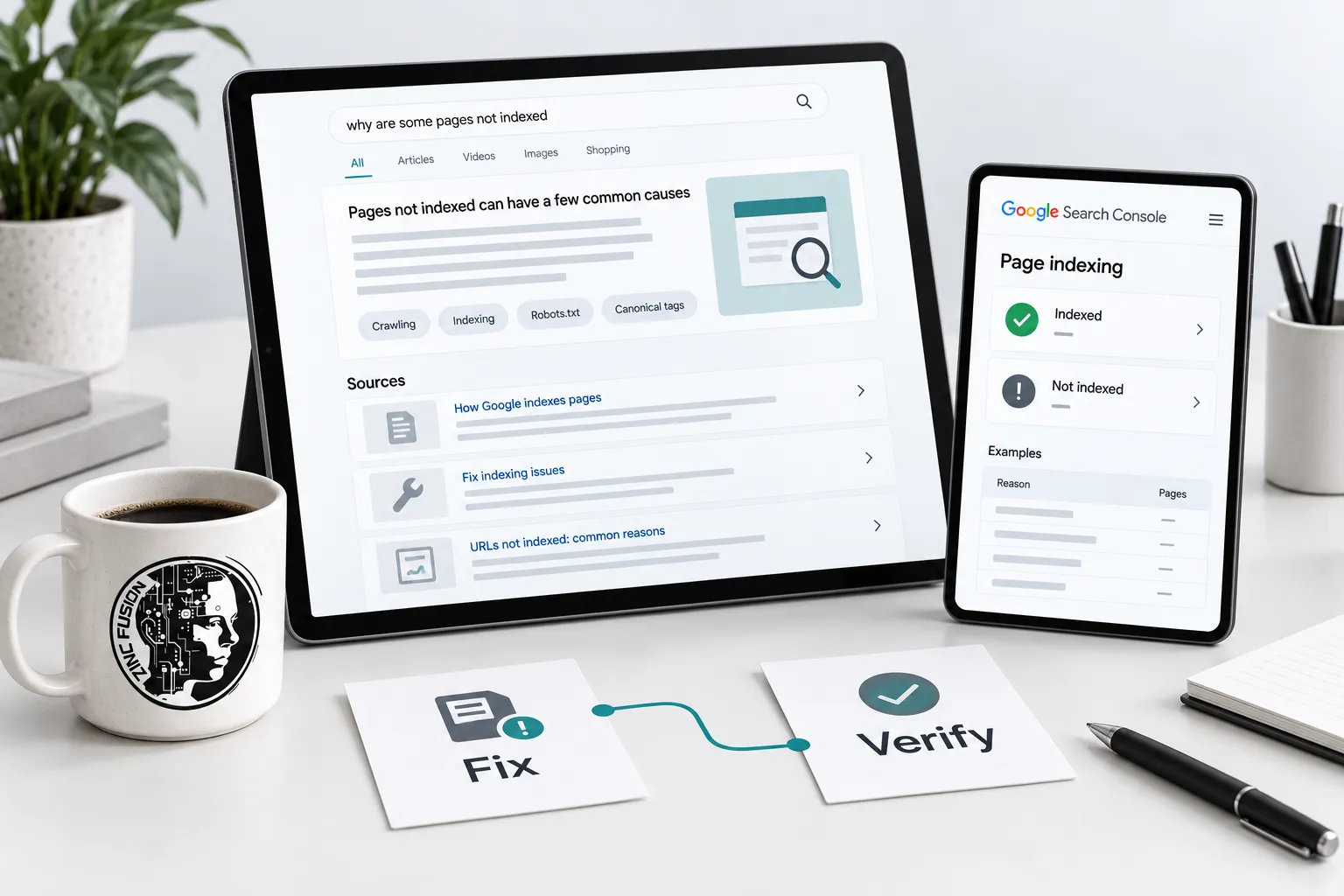
Read the article ↗Debug canonical and indexing problems in Search Console. Compare indexed and live evidence, redirects, canonicals, internal links and sitemap URLs.
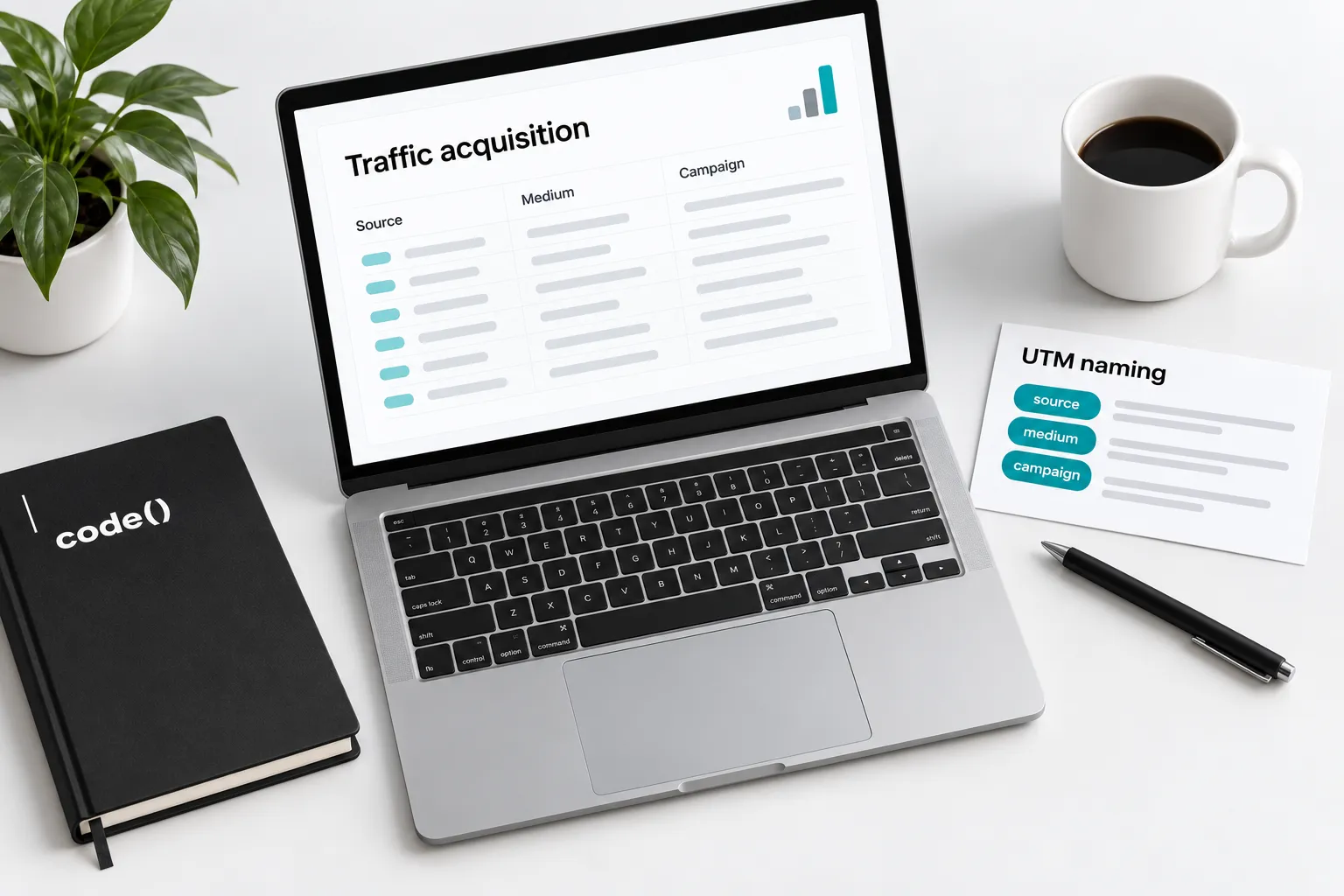
Read the article ↗Create consistent GA4 UTM names, test campaign links and review acquisition data. A practical workflow for source, medium, campaign and creative records.
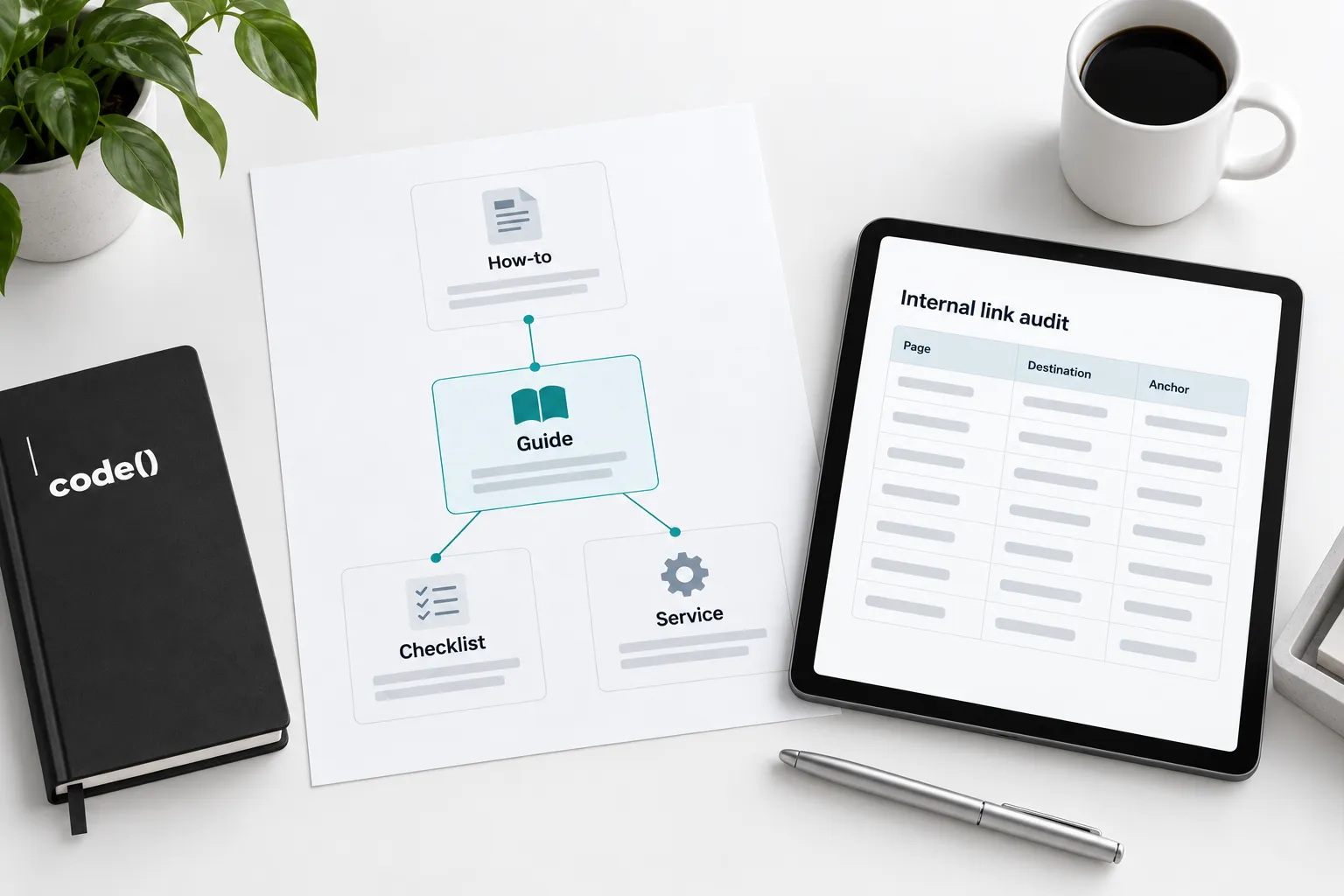
Read the article ↗Audit internal links around important pages, crawlable destinations and reader tasks. Find broken paths and missing connections without adding link clutter.
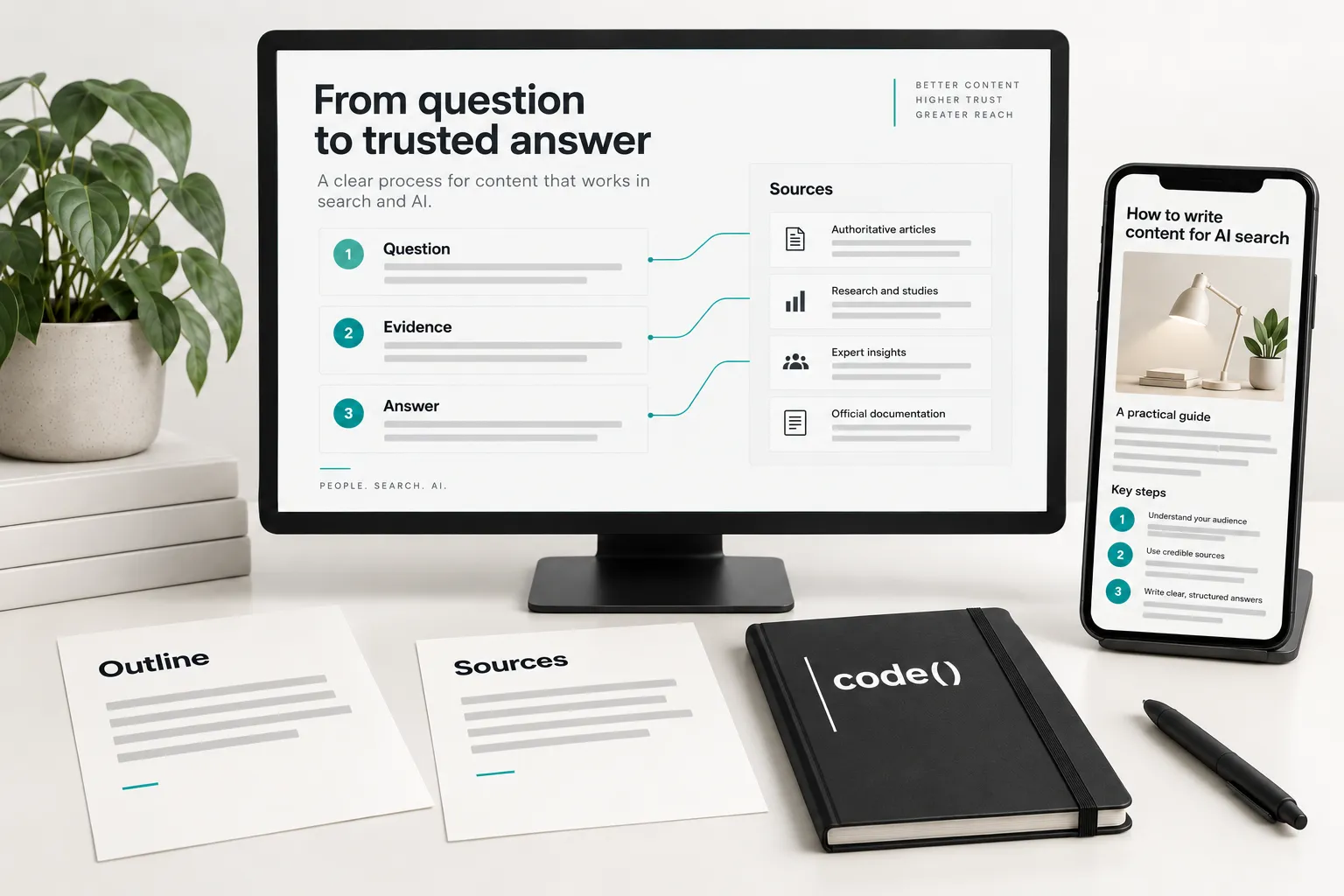
Read the article ↗Build a practical AI search content strategy: answer real questions, verify facts, check indexing and record citations without confusing samples with coverage.
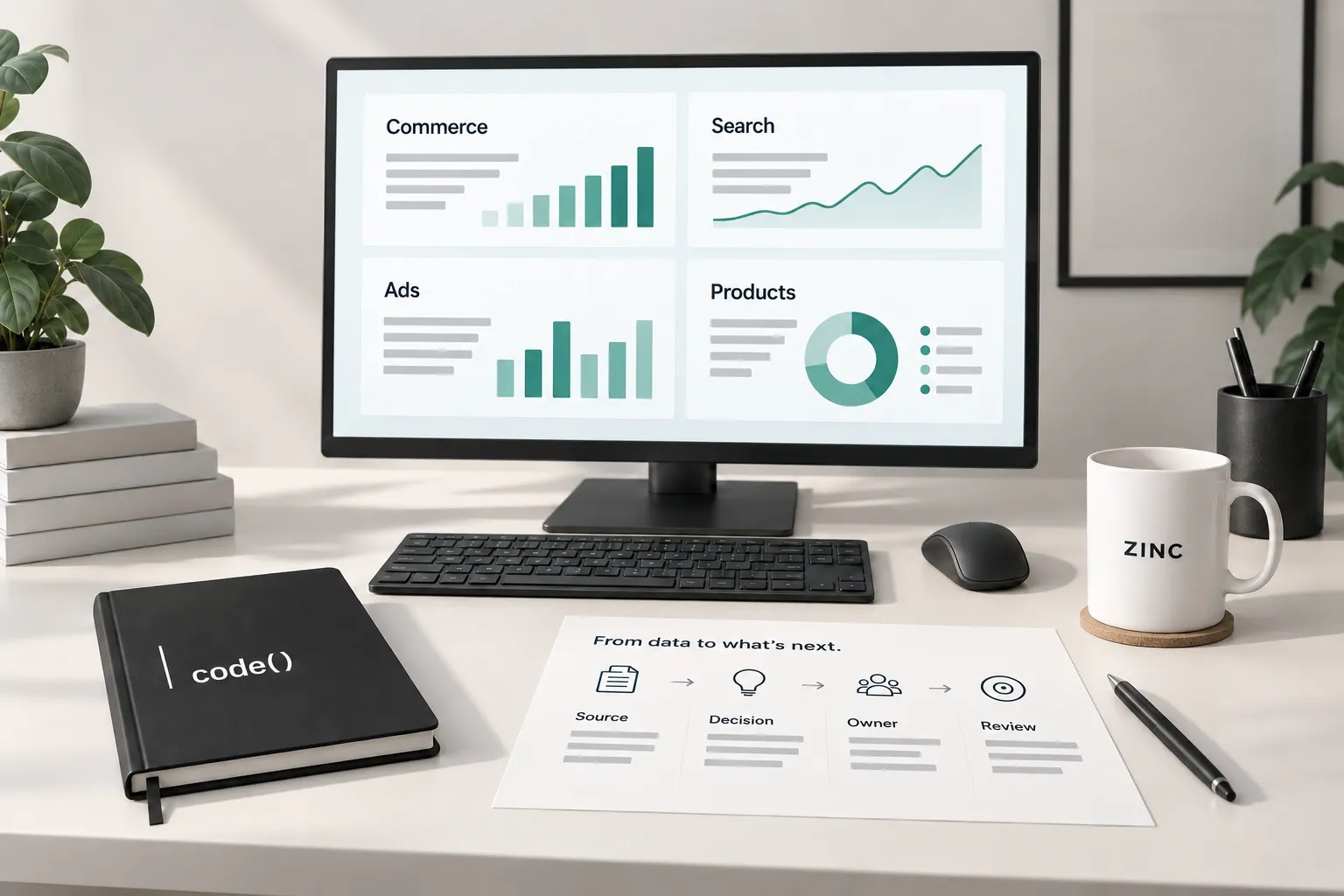
Read the article ↗Understand what business intelligence does: connect source records, define metrics, build useful reports and turn a business question into a verified action.
Read the article ↗Learn how AI search results find, interpret, and cite business information, and which content, technical, and measurement foundations deserve attention.
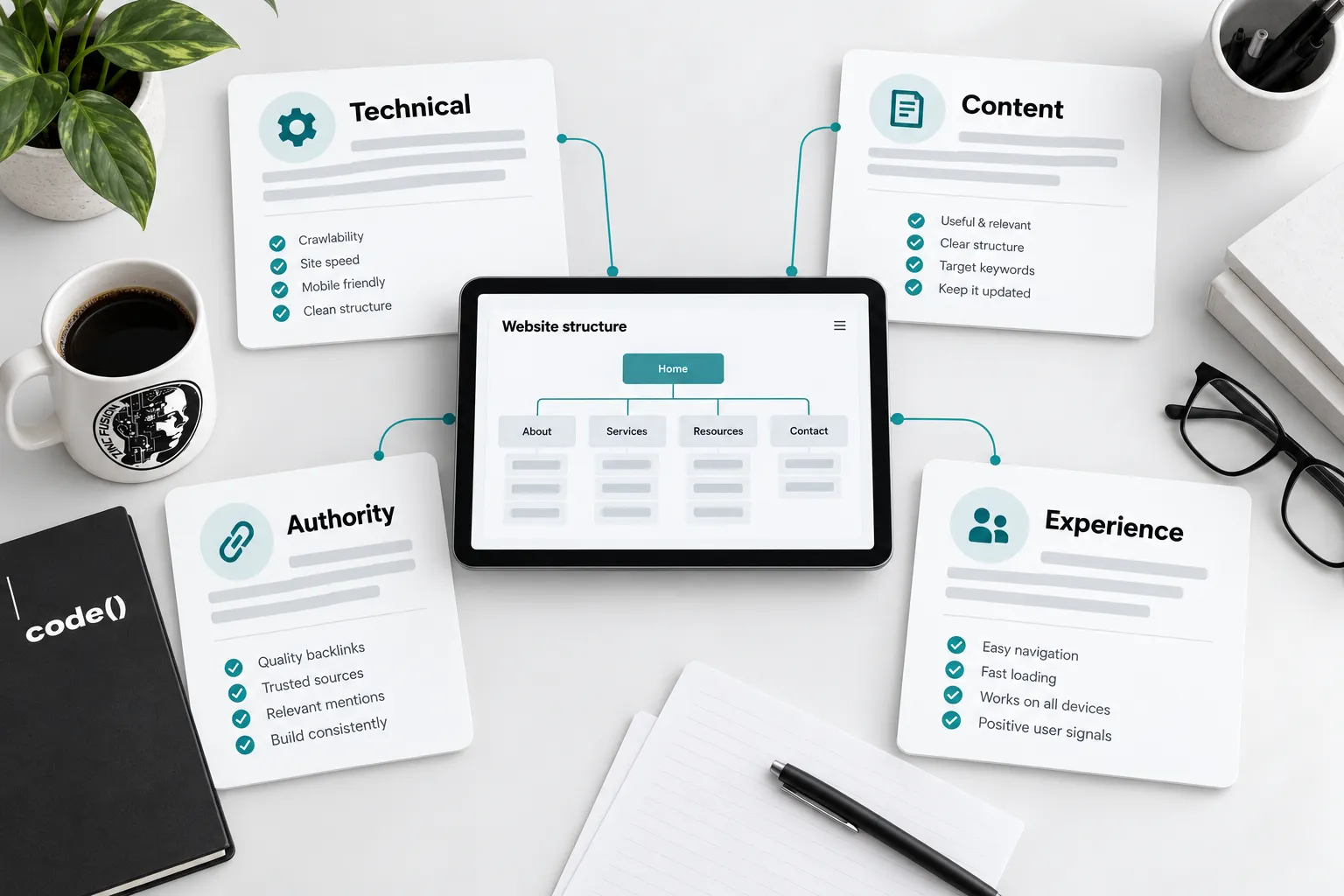
Read the article ↗Connect technical SEO, content, authority, and user experience into a practical operating plan. Find the weakest pillar and decide which repair comes first.
Read the article ↗Choose marketing channels by buyer fit, economics, operating capacity, and measurement. Build a smaller plan with clear reasons to fund, cap, or skip work.
Read the article ↗Review the patterns behind Google algorithm updates from 2023 through 2026. Separate durable technical, content, and trust issues from short-term noise.
Read the article ↗Review marketing budgets under economic pressure by payback window, evidence, and risk. Decide what to cut or protect without treating every channel alike.
Read the article ↗Respond to Google algorithm updates with a clean baseline, rollout context, and page-level evidence. Diagnose changes before rewriting or redirecting pages.
Read the article ↗Use Google Search Console to connect queries, landing pages, indexation, and structured data to decisions. Turn search reporting into an actionable routine.
Read the article ↗Understand the dependencies behind SEO timelines, from crawling and indexing to authority and measurement. Set expectations around evidence and the work ahead.
Read the article ↗Separate practical SEO priorities from hype in 2026. Review AI search, core updates, technical drift, content quality, and measurement before changing course.
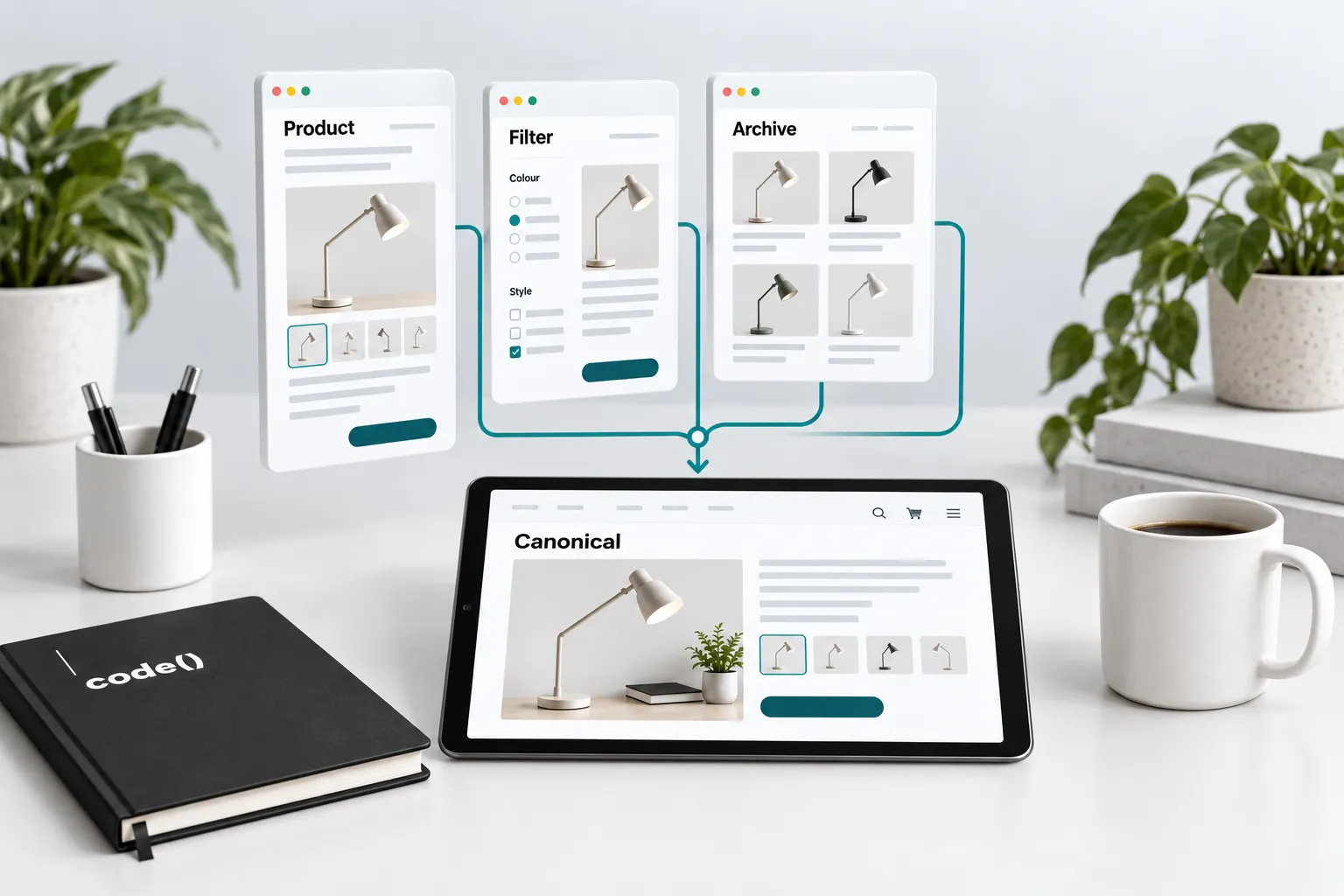
Read the article ↗Understand duplicate content as a crawl, canonical, and reporting problem. Choose when to consolidate, redirect, rewrite, or noindex the affected pages.
Read the article ↗